Have you ever heard about a white label electricity provider? Are you familiar with your electricity meter, and have you ever tried deciphering the numbers? You're not the only one looking for clear answers! In this blog, we’ll simply explain electricity providers and help you understand your home electricity meter.
What Are White Labeled Electricity Providers?
Let’s start by breaking down the term “white labeled electricity providers.” At first, it might sound a bit technical, right? A white labeled electricity provider simply sells electricity under its name brand, while the actual power and service are delivered by a bigger, licensed supplier.
Store-brand cereal is just like the cereal made by big companies. The same electricity, just a different tint applied to branding and customer service.
These providers suit those who have no time or means to build an energy service and just want to pass it on to some other company, leaving them to focus on customer experience while the actual energy supplier sorts out all the technical stuff on its side.
What is An Electricity Meter?
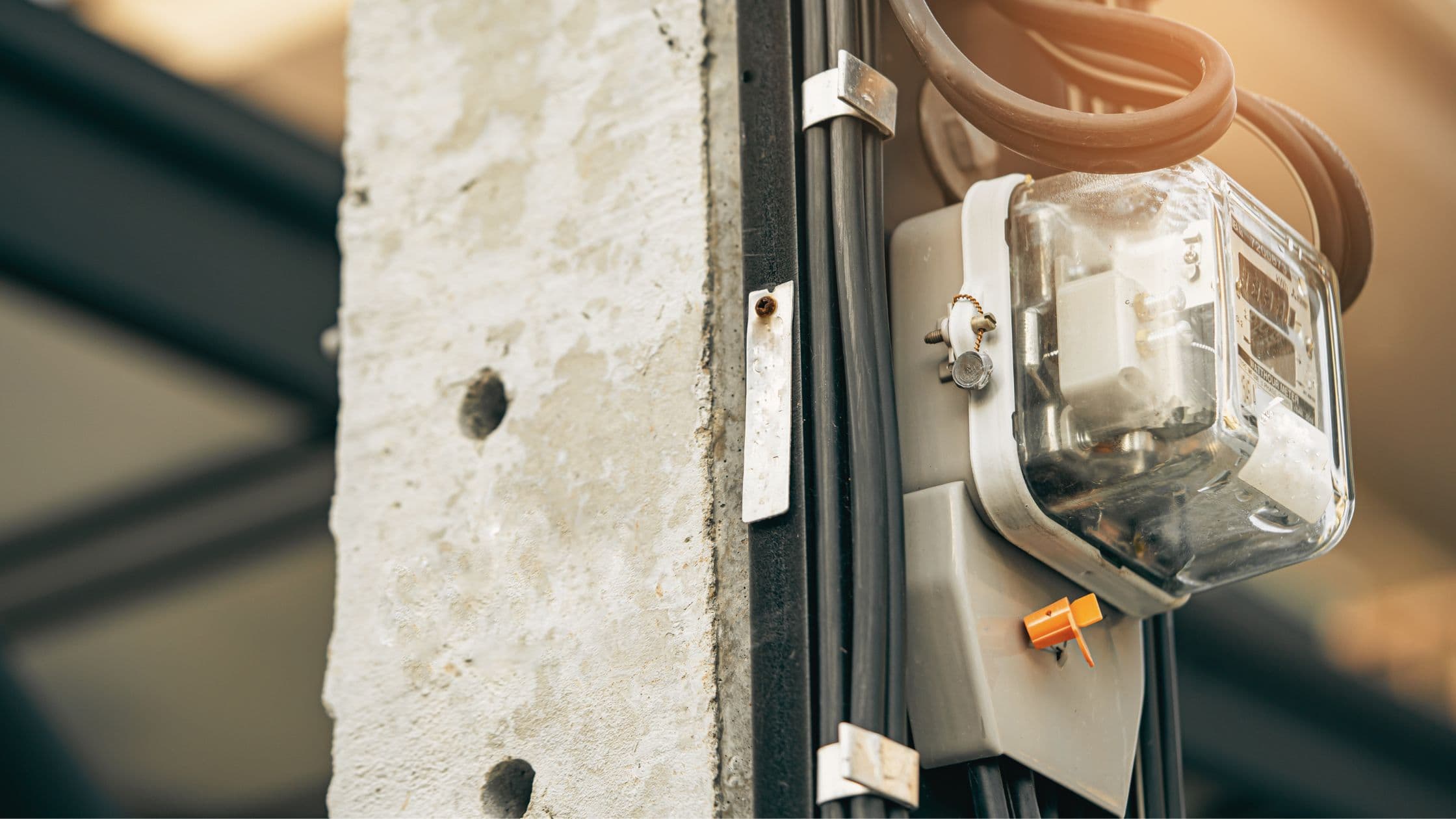
An Electricity meter is just an appliance that calculates the quantity of electricity being used. It is typically located outside the home or in a utility cupboard. The meter employs a unit of measure named "kilowatt-hours" (kWh), and that's what you are being charged for.
Regardless of your home being a house, an apartment, or a small business, this electrical meter keeps charging you fairly for valid units of electricity consumed.
How to Read the Electric Meter?
Let's say you are actually watching the use of your energy (which is wise in every way possible). Then that calls for reading the electric meter.
Electricity Meters can be of different kinds:
1. Digital Meter
These are the most common now. Look for five numbers on the screen (plus maybe the decimal). Read the numbers from left to right.
2. Dial Meters
Dial meters look like a bunch of little clocks. Read each dial from left to right; if the pointer is between two numbers on the dial, use the lower number.
3. Smart Meter
Smart meters transmit your readings directly to your service provider, but you can still check your usage yourself on the meter's display.
Regularly checking and reading your electricity meter will keep you from getting any nasty surprises on your bill and ensure that you're using electricity in the most efficient way possible.
What About Electric Submeter?
An Electric submeter does the same work as the main electricity meter but is used for individual units or areas within a larger building. An electric sub-meter could be used to measure the electricity used by a tenant if you were renting part of your home.
This is also useful for office buildings or malls, where each tenant might have their own sub-meter to make it easy to bill everybody separately and accurately.
Whether you are researching white labeled electricity providers or simply trying to learn how to read the electric meter, it all comes down to being informed. Being informed on the ins and outs of the electricity meter or electric sub-meter can give you some control in administering your energy usage and maybe even save some money!