Managing electricity costs can feel stressful, especially as energy prices keep changing. Many households look for ways to control spending, avoid big bills, and track their usage more closely. One option that remains popular in 2026 is the prepayment electricity meter, also known as an electricity prepayment meter. These meters enable you to pay for your energy before you use it, much like topping up a mobile phone.
In this blog, we will explore what prepayment meters are, how they work, their advantages, their disadvantages, and the best alternatives you can consider in 2026.
What Is a Prepayment Electricity Meter?
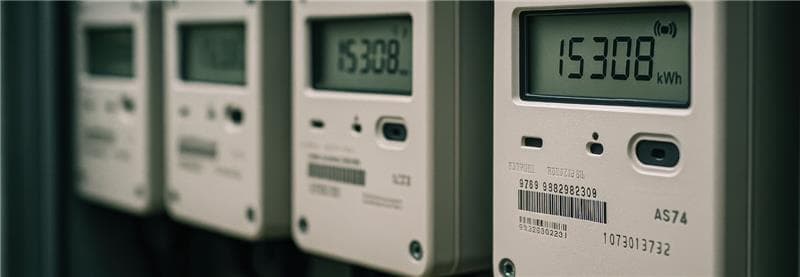
A prepayment electricity meter is a type of meter where you pay for your energy in advance. Instead of receiving a monthly or quarterly bill, you top up your meter using a key, card, app, or online account. When you top up, the credit is added to your meter, and you use electricity until that balance runs low.
Modern electricity prepayment meters are smart. They show your balance and usage and even warn you when your credit is low. They also allow remote top-up, which makes things easier for people who cannot always visit a shop.
How Does a Prepayment Meter Work?
Here is a simple explanation:
- You add money to your meter through an app, website, shop, or by using a top-up key or card.
- The credit goes into your meter.
- As you use electricity, the meter deducts the cost from your balance.
- When the credit is low, the meter alerts you so you can top up again.If the balance reaches zero, the electricity may be cut off until you add more credit.
Why Are Prepayment Meters Common in 2026?
Recently, many energy suppliers have encouraged households to use prepayment meters. They are especially common for:
- Tenants
- People who want better control over spending
- Households that struggle to manage large bills
- Homes with previous unpaid energy debts
With new smart technology and user-friendly mobile apps, prepayment meters have become more convenient than ever.
Pros of Prepayment Meters
1. Better Control Over Spending
With a prepayment electricity meter, you can only use the amount of electricity you have paid for. No surprise bills are waiting at the end of the month. You know exactly how much energy you can afford. This type of cost control is also becoming popular among electricity suppliers for business in UK, especially for small companies needing predictable energy spending.
2. Helps Avoid Debt
Because you pay before you use, it becomes easier to avoid falling into energy debt. Many households prefer this setup because it helps them manage their budget more responsibly.
3. Real-Time Usage Tracking
Most modern prepayment meters show your daily or weekly usage. This helps you understand where your energy is going. You can make smarter decisions to reduce waste and lower your bills.
4. Easy Top-Up Options
In 2026, topping up is easier than ever. You can:
- Top up using your phone
- Use a supplier’s website
- Visit a nearby store
- Set automated top-ups
This flexibility makes prepayment meters more convenient than the old traditional systems.
5. Helps Promote Energy Saving
Since you can see how fast your balance goes down, you become more aware of energy consumption. Many users find that they start switching off lights, unplugging appliances, and reducing wastage.
6. No Estimated Bills
Unlike traditional billing systems, there are no estimated readings. You pay only for what you use, which makes everything more accurate.
Cons of Prepayment Meters
While a prepayment electricity meter has many benefits, there are also downsides to consider.
1. Higher Cost Per Unit
In many cases, prepayment customers pay slightly more per unit of electricity compared to those on standard credit tariffs. This means your overall energy cost can be higher.
2. Risk of Power Cut-Off
If you forget to top up or run out of credit at night, your electricity may stop. This can be stressful, especially during winter or when you are using important appliances.
3. Less Convenient for Emergencies
If the credit finishes suddenly and you cannot top up immediately, it may cause inconvenience. Although emergency credit is available on most meters, it is limited.
4. Limited Tariff Options
Prepayment customers often have fewer tariff choices compared to direct debit customers. This limits your ability to choose cheaper or fixed-rate plans.
5. Can Be Inconvenient for Some Users
Older people or those with mobility issues may find it hard to manually top up at shops if digital options are not accessible to them.
6. Debt Recovery Deductions
If you have previous energy debts, the supplier may recover them directly from your meter. This means a portion of your top-up goes towards paying off old debt.
Are Prepayment Meters Changing in 2026?
Yes, the energy market is changing fast. In 2026, many suppliers are upgrading old meters to smart prepayment meters. These new devices:
- Allow automatic top-ups
- Offer detailed usage insights
- Reduce the risk of being cut off
- Support better tariffs
- Provide improved customer support
Governments in many regions are also encouraging fair pricing for prepayment customers, reducing the gap between prepayment and standard tariffs.
Best Alternatives to Prepayment Meters in 2026
If you are thinking about switching away from an electricity prepayment meter, here are some great alternatives:
1. Direct Debit Billing
With direct debit, your monthly bill is deducted automatically from your bank account. Benefits include:
- Lower tariffs
- No need to manually top up
- Less risk of losing power
- Better budgeting through predictable monthly payments
This is one of the most cost-effective alternatives.
2. Standard Credit Meter
A standard credit meter allows you to use electricity freely and pay the bill at the end of the month or quarter.
Benefits include:
- More tariff choices
- No need to worry about losing power
- More flexible payment plans
However, you must manage your consumption wisely to avoid large bills.
3. Smart Meters with Postpaid Tariffs
Smart meters are now widely used in 2026. They track real-time energy usage and send data to your supplier automatically.
Advantages:
- No need for manual meter readings
- Detailed usage reports
- Flexible billing options
- Better accuracy
You also get more tariff choices compared to prepayment meters.
4. Energy Budgeting Apps
These apps work alongside your standard credit or smart meter. They help you track your usage and set monthly limits. They do not replace meters, but they give the budgeting support that prepayment users often need.
5. Hybrid Plans
Some suppliers now offer hybrid plans. They combine the convenience of prepayment with the stability of credit meters. You can top up when you want, but still enjoy better rates.
Some households also switch to dual-rate tariffs like Economy 7 meters, which offer cheaper night-time electricity and can help reduce costs if you use energy overnight.
Is Switching From Prepayment Worth It?
Whether switching is worth it depends on your situation. If you value control, budgeting, and preventing debt, a prepayment meter may still be suitable for you. However, if you want cheaper rates, no interruption risks, and more flexibility, switching to a credit or smart tariff may be a better choice.
You can also switch to an Economy 7 meter if your household uses most electricity at night, as these tariffs can significantly lower costs for off-peak users.
It’s essential to compare prices, understand your energy habits, and choose the meter type that makes daily life easier for your household.
Final Thoughts
A prepayment electricity meter can be a helpful tool for managing energy use and controlling spending. It offers clear benefits such as budgeting support and real-time usage tracking. However, it also comes with disadvantages, including higher tariffs and the risk of losing power.
In 2026, thanks to advancements in smart technology and improved tariffs, prepayment meters are becoming more user-friendly. Still, it’s a good idea to explore alternatives such as direct debit billing, smart postpaid meters, or hybrid plans.
Choosing the right option depends on your needs, lifestyle, and budget. With the right information, you can make a smart decision that provides comfort, convenience, and cost savings.