For many small business owners, 2026 is all about thinking of energy costs. Why? Rising energy outlay and more. Today, whatever sort of business you run, a significant portion of electricity and gas bills is taken out of your business profits. In terms of business, every expense counts; rent and monthly wages are secondary, but energy is often deemed the highest monthly cost in the UK.
But worry not! Small business owners will now be happier to know that lower energy bills for small businesses are now possible with significant changes. So here in this blog, we give you practical insights that can make a real difference when it comes to saving energy and lowering energy bills in 2026.
First of All, Understanding Your Current Energy Usage is Essential
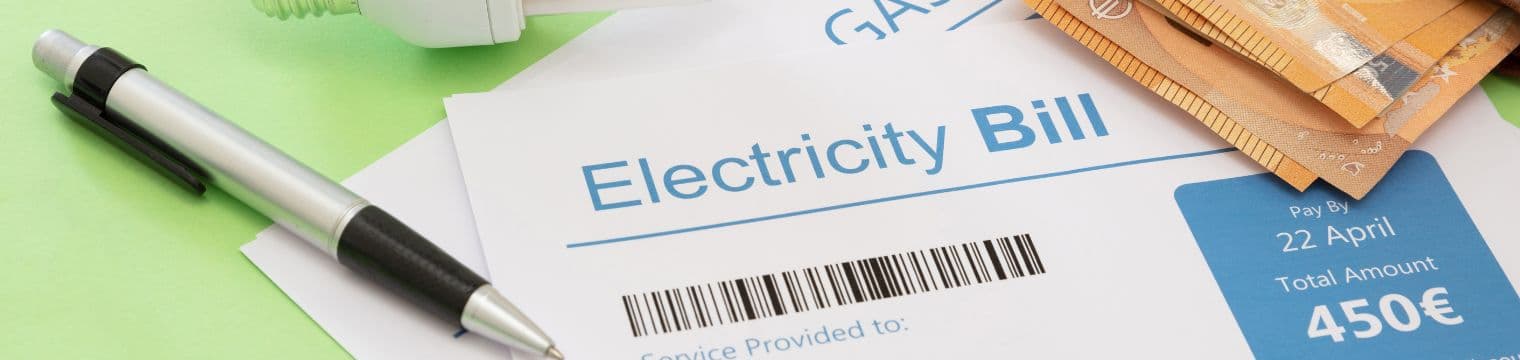
Before making any major transformations, it is essential to understand where most of the power is used. Always begin by inspecting your electricity and gas bills from 0-6 months. Look for habits in usage and specify times when energy costs are most elevated. You may discover that heating, cooling, lighting, or equipment are liable for most of your energy consumption.
Besides, perform a straightforward energy audit. Numerous utility providers offer free or low-cost assessments that indicate where your firm is wasting energy. Once you know where energy is being utilised, it becomes much easier to apply practical tips for lower energy bills.
Lower Energy Bill Tips:
1. Energy-Efficient Lighting can make a lot of difference
Lighting is one of the most uncomplicated areas where companies can lessen electricity usage. If your firm still employs standard incandescent or halogen bulbs, substituting them with LED lighting can make a considerable difference. LED lights utilise far less electricity and last much longer, which means fewer replacements and lower maintenance costs.
In many small firms, lighting is utilised throughout the day. Even a tiny reduction in energy usage per bulb can lead to observable savings over time. Motion sensors and timers can likewise help control lights from being left on in vacant spaces.
2. Cut energy bills by enhancing heating and cooling efficiency
Heating and cooling systems are frequently accountable for a large amount of enterprise energy costs. Enhancing their efficiency can help you lower energy bills immensely. Initiate by ensuring your heating and air conditioning systems are regularly maintained. Unclean filters and wrongly maintained equipment use more power and work harder than necessary.
You can likewise revise thermostat settings scarcely. Reducing heating and cooling by just one degree can reduce energy use without impacting comfort. Smart thermostats are another sound tool. These appliances automatically adjust temperatures based on occupancy and time of day, helping businesses decrease excessive power usage.
3. Always turn off Appliances when not in use
Numerous firms waste electricity by leaving equipment running overnight or during non-working hours. Computers, printers, kitchen equipment, and office electronics continue to pull energy even when they are inactive. Over time, this wasted energy can count.
Motivate employees to switch off appliances before leaving for the day. Power strips can make this more effortless by letting multiple devices be turned off at once. This easy habit is one of the easiest tips for lower energy bills that businesses can implement instantly.
4. Prevent heat loss and improve energy efficiency at work
Poor insulation and air leaks can induce heating and cooling systems to work harder than necessary. Inspect doors, windows, and walls for drafts. Sealing gaps with weather strips or insulation can control heat from escaping during winter and keep cool air inside during summer.
Even simple modifications, for instance, installing door closers or utilising insulated curtains, can help maintain indoor temperatures. These small adjustments play a significant role in understanding how to lower energy bills for small businesses.
5. Encourage employees in energy awareness program
Energy efficiency should not be the sole duty of just one person. Enabling staff to embrace energy-saving habits can make a prominent contrast.
Easy actions such as turning off lights, shutting down computers, and using gear responsibly can reduce energy waste. Consider placing reminders in shared spaces or including energy-saving guidelines in workplace policies.
6. Consider renewable energy options
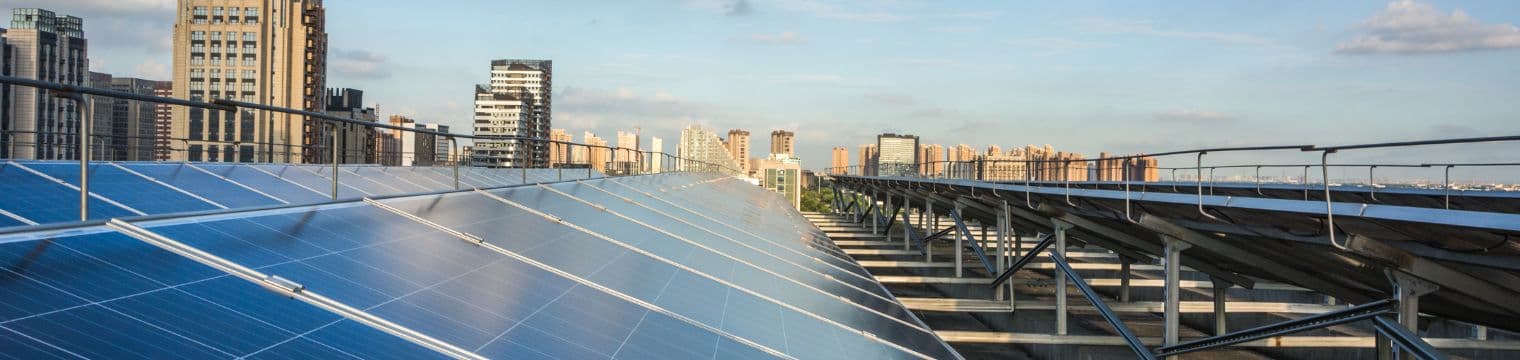
In 2026, renewable energy solutions will become more affordable for small companies. Solar panels are one of the most famous choices. While structure costs can be heightened, solar systems can decrease electricity bills for multiple years. Some nations and local authorities likewise provide incentives or grants to help firms invest in renewable energy.
Even if installing solar panels is not instantly feasible, analysing renewable energy plans from energy providers may still help decrease costs and environmental impact.
7. Powering the future with energy-efficient equipment investments
While substituting equipment may need an upfront investment, modern energy-efficient instruments can lower operating costs in the long term. When buying new equipment, for instance, refrigerators, air conditioners, computers, or machinery, look for models with high energy efficiency ratings. These products are designed to utilise less electricity while delivering the identical performance.
For numerous small businesses, upgrading gear gradually over time is a sensible strategy. Each replacement contributes to lower operating costs and enhanced efficiency.
8. Monitor energy usage after a specific time period
It is imperative for businesses to monitor and review their energy usage after a specific time period. For instance, one can consider inspecting after 2-3 or after 4-5 months. It makes you save more energy and lets you know where you are lacking control over equipment or something that needs to be fixed.
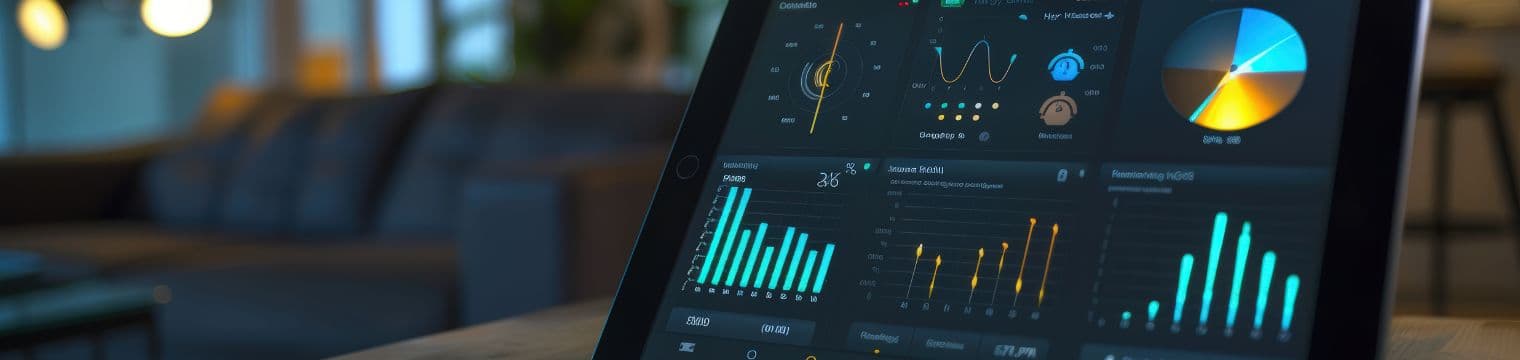
Today, multiple modern energy control appliances furnish real-time data, helping enterprises make easy decisions concerning power utilisation. Uniform monitoring ensures that your goals for lowering energy bills for small businesses remain adequate over time.
Conclusion
Energy costs may make or break your business. Therefore, businesses need to consider reducing them. In 2026, small businesses should aim to address electricity and gas usage in a crucial and gentle way.
But here is something good for businesses! Now they do not require costly advancements to begin saving money. Explicit shifts such as upgrading to LED lighting, keeping equipment upgraded, decreasing power waste, and encouraging responsible practices can make a considerable difference.
By applying these lower energy bills tips in real life, small businesses can make a more efficient workplace, decrease running expenses, and improve long-term sustainability.