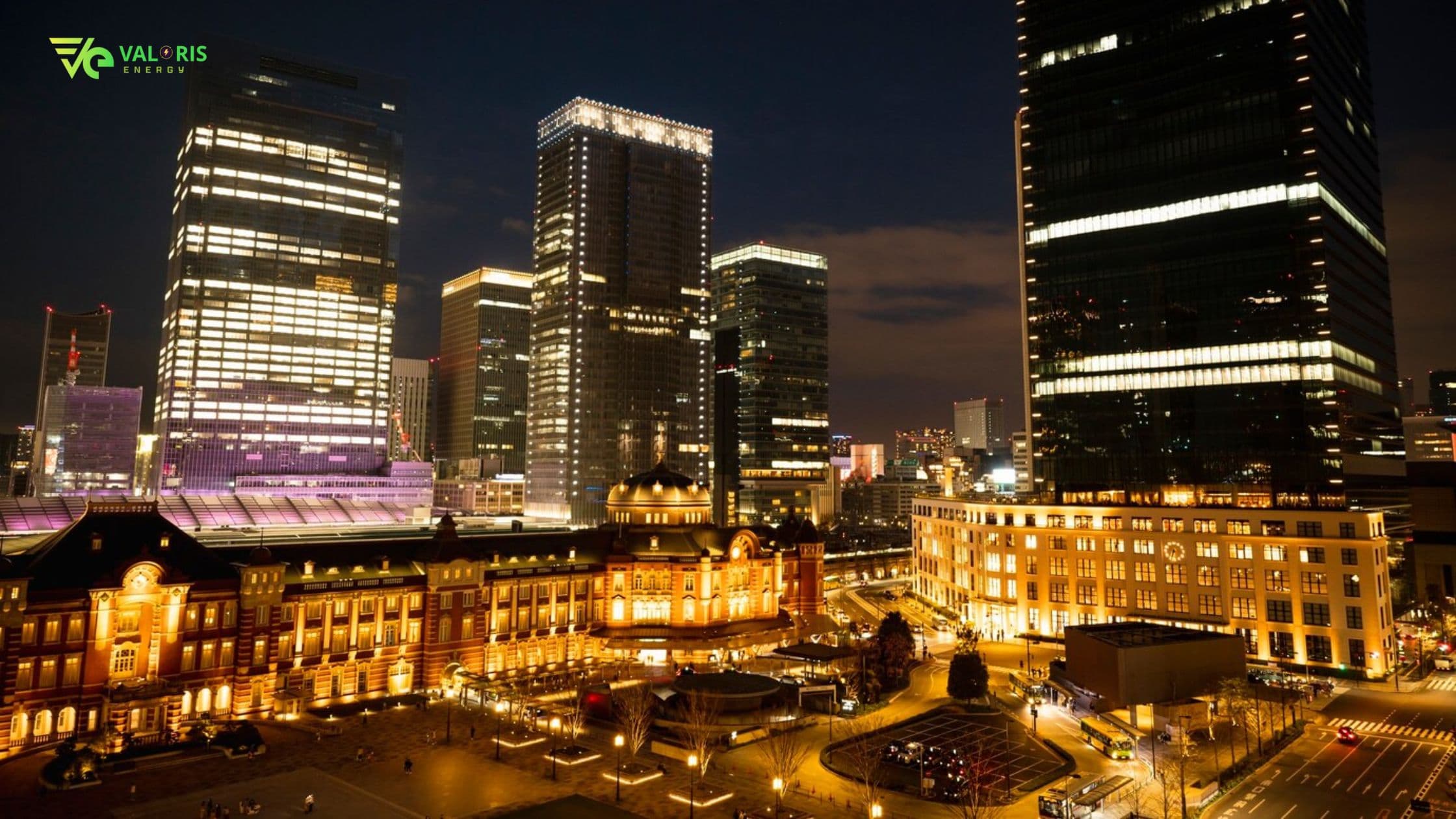
Running a commercial building comes with considerable operational costs. And one immense among them is energy. Adopting energy-efficient practices reduces costs and helps the environment by minimizing carbon footprints. Here are the top 10 energy efficiency tips for commercial buildings that can lead to significant savings and a greener planet.
1. Undertake an Energy Audit
The first step toward energy efficiency is to identify the energy usage. An energy audit discovers wasted energy. This audit may suggest efficiency improvements in old systems or additional insulation. Most utility companies hold cuts for free audits to help businesses along.
2. Switch to LED Lights
Lighting accounts for a considerable percentage of the energy used in a commercial building. Switching to LED lights is one of the easiest and most affordable means of curbing energy consumption. LED lights consume almost 75% less energy and last much longer, requiring fewer maintenance costs.
3. Optimize HVAC Systems
HVAC heating, ventilation, and air conditioning form an important component of any building and are energy-intensive systems. Periodic maintenance measures, such as cleaning the filters and ducts, enable the system to operate effectively; in addition; energy-efficient HVAC models would have high initial costs reduced by including programmable thermostats.
4. Adopt Smart Building Technologies
Energy management systems and other smart technologies can monitor and control the energy consumed in real-time. The automated lighting, heating, and cooling are to be activated only if the room is occupied by people and depending on the time of day. They give insight into energy usage to facilitate more efficient energy usage.
5. Insulate and Seal the Building
Proper insulation and sealing reduce air leakage and lighten the load on heating and cooling systems. Sealing gaps in windows, doors, and walls can improve efficiency. Double-glazed windows and insulated roofing help maintain the desired temperature inside.
6. Use Energy-Efficient Appliances and Equipment
Office office equipment includes computers, printers, and refrigerators, as they are some of the most energy-using equipment. Instead, look for new appliances that have the ENERGY STAR label, meaning that they will save much energy when used. Besides, urging employees to turn off appliances when not in use can also help save energy.
7. Let in Natural Light
Letting in as much natural light as possible saves energy but also makes a workplace more enjoyable. Large, light-colored walls should expose as much as possible to sunlight through large windows or skylights. Automated blinds or shades can allow the regulation of indoor temperatures by controlling sunlight.
8. Integrate Renewable Energy Sources
Installing solar panels or other renewable energy-generating systems can drastically reduce reliance on traditional energy sources. The cost is high initially; however, with government rebates and savings in the long run, it becomes a worthwhile investment for most commercial buildings.
9. Promote Energy-Saving Actions
Enlightening employees and tenants on energy conservation could mean greater things. Actions such as switching off lights while leaving a room or taking the stairs instead of the lift can add up hugely over time. Consider formulating an energy conservation policy and rewarding staff or teams of staff for contributions to energy savings.
10. Track and Review Progress
Energy efficiency is an ongoing process. Use monitoring tools to track progress and find opportunities for further improvements. Set realistic targets and review how well the measures are working. Energy efficiency is never a one-time measure. Use energy monitoring tools to keep track of where you are and analyze new opportunities that come along when monitoring. Set realistic targets and regularly monitor how well the measures put in place are achieving results. Milestones can be celebrated to keep everyone on board.
Energy efficiency improvements in commercial buildings will pay off in terms of reducing the operational cost of running that building while enhancing its value and also having healthier impacts on the planet. Start small and then scale up with a measure of having been able to implement a comprehensive strategy. With these top 10 tips, your building can easily become more energy-efficient, cost-effective, and friendly towards the environment.