For many companies in the UK, the cost of electricity is among their highest recurring expenditures. Given the uncertainty surrounding electricity prices, the increasing trend among business owners is to find a way to cut costs and get a tighter grip on their energy consumption.
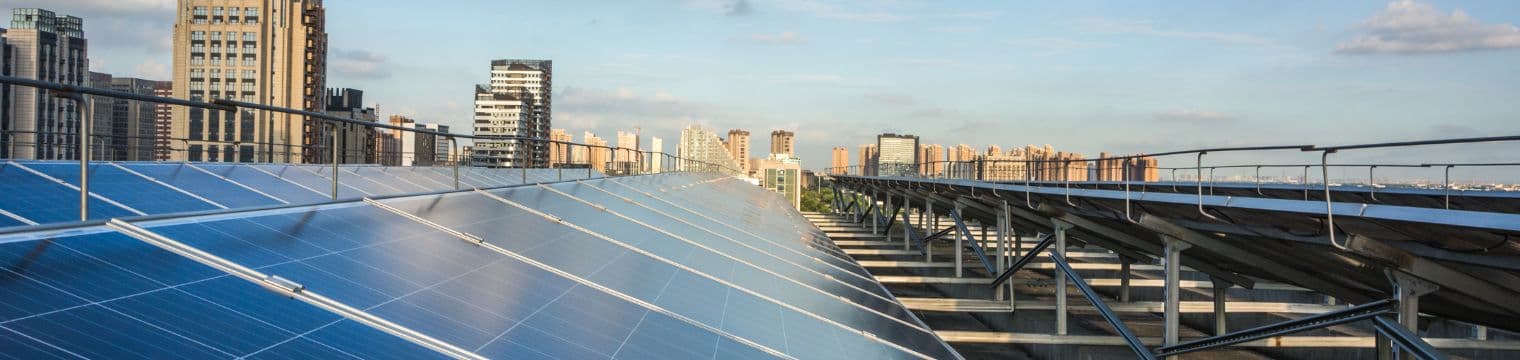
This is where solar panels for business come into play. It's no longer just about sustainability; for office buildings, warehouses, agricultural fields, manufacturing facilities, and other commercial premises, it can be a smart investment.
Should you be considering installing commercial solar panels, read on to find out everything that matters.
Why are UK businesses turning to solar?
More and more firms are choosing to install solar panels in the UK. There are various reasons for this trend.
- Electricity costs continue to be high and fluctuating
- Sustainability has become increasingly important to customers and shareholders
- Subsidies could make solar energy cheaper
- Companies want more control over their sources of energy
For many businesses, putting up business solar panels has become a financial as well as an environmental decision. Generating your own energy can make you less dependent on the grid and help to stabilise future costs.
Overview of Commercial Solar Cost
When most people inquire about their commercial solar cost, it is one of the first questions they would like to know the answer to. Unfortunately, there is no single number since each project is different.
Some factors that affect the price could be:
- Size and quality of the roof/land that you are working with
- Energy needs of your business
- Panels, inverters, and other equipment that were chosen for installation
- Whether you want to use batteries or not
- Requirements for installation, including roof type and shadows
Obviously, a larger project will involve a higher cost at first. But in some cases, large systems can offer a smaller cost per kilowatt.
Another option to consider is financing. There might be companies offering to lease or pay for installation in several instalments so that you don't have to pay the whole sum at once.
Knowing what your commercial solar cost is going to be is vital when making a decision.
What Return on Investment from Commercial Solar Do You Have?
For a lot of companies, it is the commercial solar ROI that represents the primary reason for going solar.
Commercial solar works especially well because electricity consumption coincides with operating hours, and this is the time when solar panels produce most of the energy.
Among the factors that determine your returns, there are:
- Energy production and self-consumption level
- Electricity rates and future energy costs
- System size and efficiency
- Orientation of the roof and sunshine exposure
- Any tax benefits and incentives
- Maintenance needs
An optimal design can give you savings for many years to come, even after the cost of implementation has been covered. In other words, figuring out commercial solar ROI isn't only about the payback period. It's about the total lifetime value of your solar power system.
Choosing the Right Solar PV for Business
Not all business properties are alike, meaning that there is no one-size-fits-all installation for businesses. A reputable installer will conduct a site survey first before making recommendations.
Some key factors to consider when selecting solar PV for business systems include:
- A professional installer that holds the correct certifications
- An accurate estimate of expected generation each year
- Warranty on the panels and inverters
- Costs involved in installation and maintenance
- Option to include batteries if it makes financial sense
The appropriate solar PV for a business system would fit your energy consumption pattern, not the area that you have available for rooftop panels.
Thinking through your system design can save you some money in the long run.
Maximising Your Solar Savings for Business
The installation of solar power is just the start. The way that you utilise electricity at your place of work may have an effect on your business’s solar savings.
Some small changes can increase solar savings for business:
- Operate machinery that consumes energy in the daytime wherever feasible
- Coordinate usage of heating, cooling, and other loads with the production of solar power
- Regular monitoring of your system
- Ensure panels are kept free of dirt and debris
- Battery storage may be an option if you consume electricity outside of daylight hours
Using your generated electricity saves money.
Final Thoughts
For UK companies, solar has evolved into much more than just a means of reducing carbon footprint. With proper installation and planning, it can help reduce energy bills, increase energy autonomy, and create financial gains in the long run.
Regardless of whether you own a small office, a warehouse, a farm, or an industrial area, solar panels for business are a sound choice if the system suits your needs.
If you are thinking about installing solar panels for business, contact Valoris Energy to receive a thorough analysis and unbiased advice. Proper assessment of your property, energy consumption patterns, and goals will give you insight into the optimal system for your business.
FAQs
1. What is the cost of commercial solar in the UK?
The cost of commercial solar depends on many factors, including the size of the system, the type of property, the equipment used, and whether you have battery storage. The best thing to do is get a few different quotes to make an informed decision.
2. How long will it take for my solar panels to pay back the costs?
It depends on the particular company because there are many factors that determine when you can start seeing savings from your solar energy system.
3. Is there a need for planning permission for solar panels?
Not all roof solar panels require planning permission; however, this will depend on the specific building and the type of system you are planning to install. If the building is listed or you are going for bigger solar panels or even ground-mounted solar panels, there might be other considerations as well.
4. Can small businesses benefit from solar power?
Yes, solar energy is not only limited to big industrial buildings. Even small solar systems can help you save on your electricity bills.