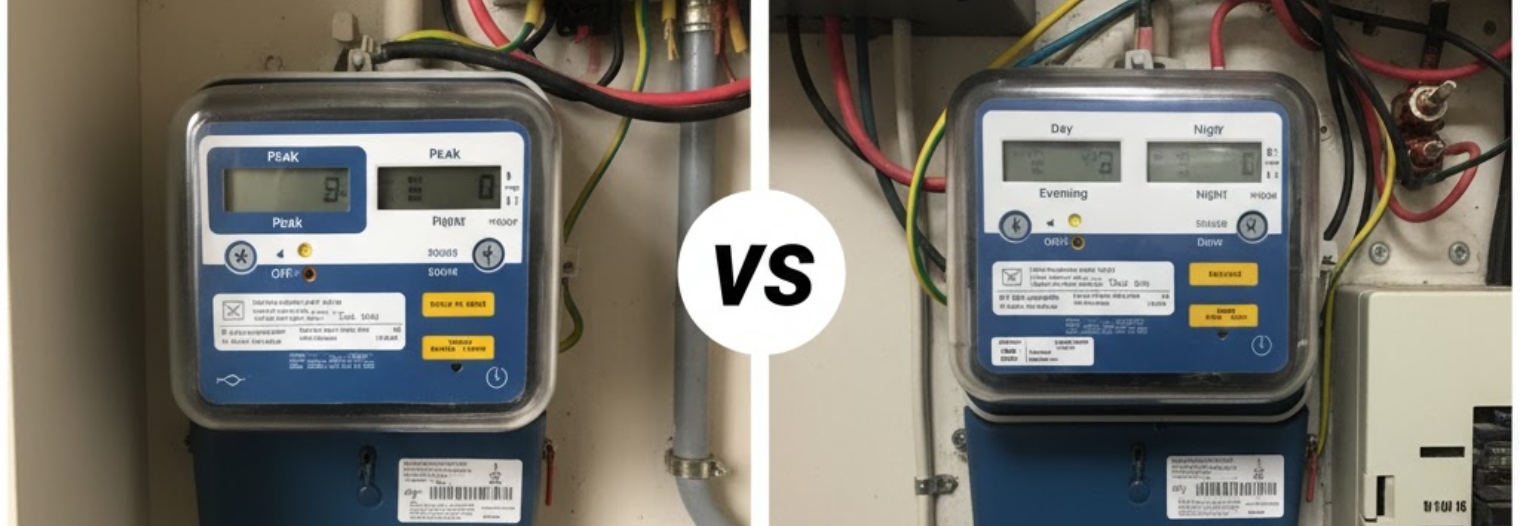
Choosing the right electricity tariff can make a big difference in your monthly bills, especially if you use a lot of energy during specific hours of the day. Two commonly discussed options in the UK are Economy 7 meters and Economy 10 meters. Both offer cheaper electricity prices during off-peak electricity times, but they work differently and can impact your savings in unique ways.
In this blog, we’ll break down how each meter works, who they’re good for, and how to decide which one can help you save more, whether you’re a homeowner or working with a business electricity supplier for your organisation.
What Are Time-of-Use Tariffs?
Before we compare Economy 7 and Economy 10, it’s important to understand the idea behind time-of-use tariffs. These are electricity plans that offer different rates depending on when you use power.
During off-peak hours, typically late at night and early morning, electricity demand is low. Suppliers take advantage of this by offering discounted rates to encourage people to shift usage away from peak times.
This helps balance the national grid, and it can help you significantly lower your energy bill if you use high-consumption appliances during those off-peak windows.
What Is an Economy 7 Meter?
An Economy 7 meter gives you two electricity rates:
- An affordable off-peak rate for 7 hours overnight
- A higher daytime rate for the remaining 17 hours
Most Economy 7 off-peak windows usually fall somewhere between 11 p.m. and 8 a.m., depending on your region and supplier. These hours are fixed and automatically applied by your meter.
Who Benefits the Most from an Economy 7 Meter?
Economy 7 is ideal for:
- Homes with night storage heaters
- Properties using electric boilers that heat water overnight
- People who run washing machines, dryers, or dishwashers late in the evening
- Households with electric vehicle (EV) charging habits after midnight
If you can shift at least 40% of your energy usage to off-peak times, an Economy 7 meter can offer solid savings.
What Is an Economy 10 Meter?
An Economy 10 meter offers 10 hours of cheaper electricity, but instead of all being overnight, these hours are spread throughout the day. This is the biggest difference between the two meters.
Economy 10 off-peak times typically look like:
- 3 hours in the afternoon
- 2 hours in the evening
- 5 hours overnight
Although these times can vary based on your supplier, the structure generally allows more flexibility compared to Economy 7.
Who Benefits Most from an Economy 10 Meter?
Economy 10 works best for:
- Homes with high daytime heating needs, especially during winter
- Properties with electric storage or panel heaters that may need topping up during the afternoon
- Households where someone is home most of the day
- Customers who prefer spreading energy use rather than limiting it to overnight
If your lifestyle demands electricity during the day but you still want access to cheaper rates, an economy 10 meter may be more suitable.
Key Differences: Economy 7 vs Economy 10
When comparing Economy 7 and Economy 10 meters, the key differences become clear once you look at how each tariff works. An Economy 7 meter provides seven hours of off-peak electricity, all of which fall overnight. This makes it ideal for people who run appliances late at night or use systems like storage heaters and EV chargers. While the off-peak rate is cheaper, the daytime rate is noticeably higher, so it benefits users who can shift most of their energy use to nighttime. It’s also widely available across many suppliers.
On the other hand, an Economy 10 meter offers ten hours of discounted electricity spread throughout the day and night. This includes a mix of afternoon, evening, and overnight hours, giving users more flexibility. Although its daytime rates can be slightly higher compared to Economy 7, the evenly distributed off-peak windows make it a better fit for households that require electricity during the day, such as families, people working from home, or homes with electric heating that need periodic boosts. However, Economy 10 is less commonly available and tends to be more supplier-specific.
Which One Saves You More?
If You Use Most Power Overnight, then Economy 7 Wins.
If your biggest appliances run overnight, or if you heat your home and water at night, an Economy 7 meter will likely save you more.
The off-peak rates tend to be cheaper than Economy 10 off-peak rates, because suppliers expect fewer people to use energy overnight.
If You Need Daytime Flexibility, then Economy 10 Wins
Economy 10 may not always offer the lowest off-peak price per unit, but the wider spread of discounted hours can help you take advantage of cheaper electricity more often.
For example:
- If your heating system needs a midday boost
- If you work from home
- If you use appliances throughout the day
Those extra 3 daytime hours can save you more than Economy 7.
Consider Your Lifestyle and Routine
This is perhaps the biggest deciding factor. Savings depend on when you use energy, not just which tariff you select.
A person who uses 80% of electricity after midnight will easily save more on Economy 7.
A family that uses half their energy during the day may save more with Economy 10.
Working with a Business Electricity Supplier
If you’re managing energy for an office, shop, warehouse, or small business, you may be wondering whether these tariffs apply to commercial settings.
While most business electricity suppliers do not use Economy 7 or Economy 10, some do offer time-of-use plans that mirror them. The principles remain the same:
- Shift usage to off-peak electricity times
- Reduce demand during expensive peak hours
- Track energy patterns and adjust operations accordingly
In some cases, businesses with electric heating or machinery that can operate during off-peak hours can save significantly.
Always compare suppliers and ask if they support time-of-use meters for commercial properties.
Pros and Cons of Each Meter
Economy 7 Pros
- Very cheap overnight rates
- Great for EV charging
- Works well for storage heaters
- Widely supported by suppliers
Economy 7 Cons
- Daytime rates can be quite high
- Requires habit changes
- Less flexible for people who are home during the day
Economy 10 Pros
- 10 hours of cheaper electricity
- More flexible off-peak schedule
- Ideal for homes needing daytime heating
- Better for families and work-from-home users
Economy 10 Cons
- Off-peak rate may be higher than Economy 7
- Limited supplier availability
- Some meters require special installation or support
So, Which Should You Choose?
Here’s a simple way to decide:
Choose an Economy 7 Meter if:
- You can use most appliances overnight
- You have an EV
- You use night storage heaters
- You want the absolute lowest off-peak cost
Choose an Economy 10 Meter if:
- You need energy during the day
- You want heating support multiple times
- You’re home for long periods
- You prefer flexible off-peak usage
Final Thoughts
Both Economy 7 and Economy 10 meters can help you save money, but only if your lifestyle fits the tariff.
If you’re disciplined about using electricity at night, Economy 7 is usually more cost-effective. But if your heating or daily routine demands more daytime power, Economy 10 offers greater flexibility and better comfort. Before switching, always check: your usage patterns, your heating system type, supplier availability, installation, and switching requirements. Making the right choice could not only reduce your electricity bills but also help you use energy more efficiently throughout the year.