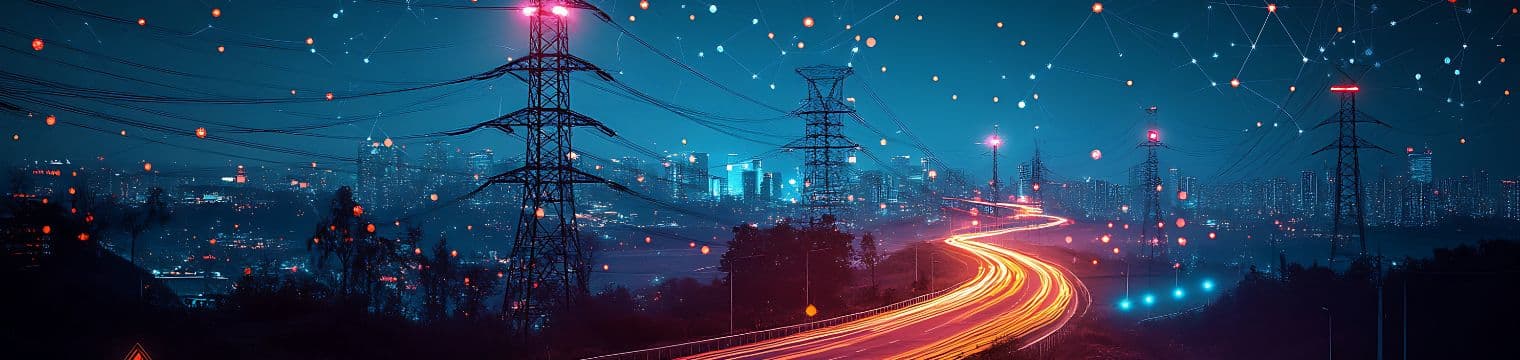
The entire world is changing rapidly, as well as the way we make and use energy. By 2025, AI will be revolutionizing the energy industry through new technologies that enable and support energy-efficient systems, reducing electricity costs both for businesses and households. With smart energy solutions, energy becomes affordable while keeping pace with developments.
Smart Grids: Future Electricity
AI-powered smart grids are sure to mark the biggest change in energy. The current electric grids are outdated and inefficient; they simply supply energy without taking into consideration real-time demand. These smart grids use AI to predict energy needs and make adjustments to the supply accordingly.
For instance, smart grids can redirect power from cities to avoid blackouts and reduce energy wastage for areas with less demand during peak hours when electricity use in urban centers spikes. Integration of AI will make power distribution more reliable and sustainable.
Smarter Renewable Energy
Solar and wind energy are considered key to establishing a sustainable horizon, but their dependability is tied to the nature of the weather. However, AI helps by forecasting weather patterns and optimizing energy storage.
Well-forecasted weather, therefore, allows power plants to optimize their scheduling, thereby increasing their continuous flow of energy. AI also improves storage systems through batteries because these renewable energies are, thus, more dependent on and increasingly cheap.
Artificial Intelligence and Energy Management
Honestly, AI has also begun to change the way we manage energy. Real-time electricity consumption is recorded with the help of smart meters so that industries and homes can optimize that consumption.
AI automation reduces waste in energy usage in industries: when machines are not needed, they go into a 'sleep' mode instead of wasting power by remaining on standby. Homeowners may now employ AI-based smart thermostats, and smart energy solutions that learn the heating and cooling routines of their owners and automatically adjust them accordingly. Those kinds of innovations will be putting energy into efficient and cheap use.
How AI Infuses Smooth Working Into the EV
AI is making recent developments everywhere- from smart startup charging stations to intelligent management of energy systems that account for the electrification of operations from electric vehicles. AI-controlled chargers' operation helps determine the demand and distribution of the electricity load to avoid excess use of the power grids.
AI is recommending the most favorable charging time to maximize battery age and battery guarantee depending on driving records. Self-driving establishes in itself many energy benefits by selecting energy-efficient routes. All these enable higher sustainability and cost-efficiency for EVs.
Carbon Emission Reduction By Using AI
AI largely contributes to carbon emission reductions through improved efficiency and smart energy solutions in industries and transportation. It further assists in the improvement of carbon capture technology, which entails the analysis of industrial emissions by trapping pollutants before these can enter the ambient.
Implementing AI allows for smarter initiatives by companies and governments in the field of pollution reduction and clean environmental promotion.
Challenges and Future Opportunities
While AI awes the energy sector, challenges arise. The costs of deploying AI may present a hindrance in some areas that find technological or financial limitations. Cybersecurity and data security must be addressed in conjunction with AI in energy management.
Conversely, there is a shortage of human capital with skills to support AI applications in the energy sector. The extent to which these barriers can be overcome will determine the affordability and accessibility of energy solutions.
The Future of AI in Energy
From 2025 and beyond, AI will continue to tidy energy policies, improve efficiencies, lower costs, and promote sustainability. Smart grids, renewable energy, electric transportation, and carbon reduction are areas where AI takes the lead toward a cleaner and smarter energy future.
As technology evolves, AI will have an increasingly greater role in smart energy solutions and help develop an intelligent and affordable energy system for all.