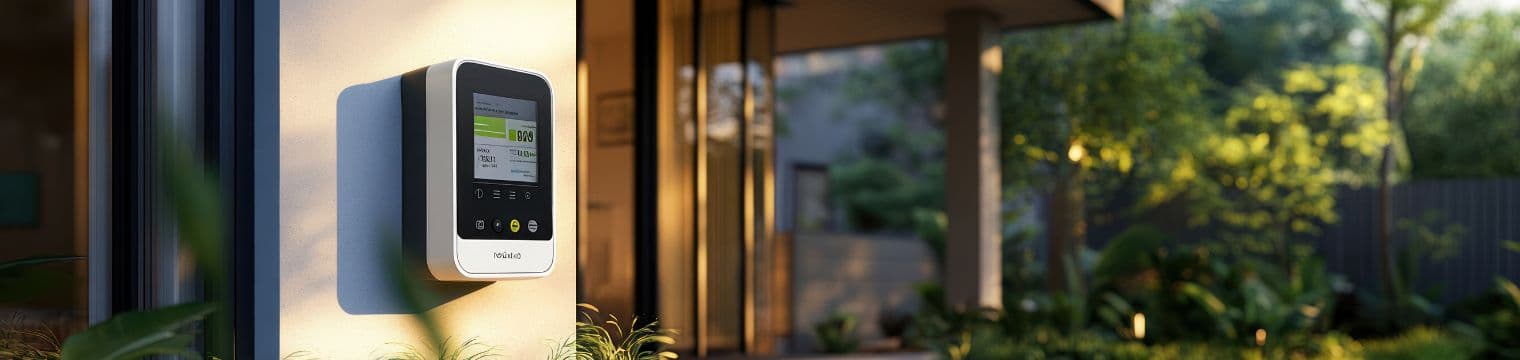
Today, smart meters are not just essential but an integral part of numerous businesses and households across the UK. They automatically send your gas and electricity readings to your energy supplier, which signifies no more calculated invoices and no more additional manual meter readings.
But did you know that all smart meters are not the same? If you’ve read about SMETS1 and SMETS2, you may be seeking differences between the two and whether they matter at all.
In this leading guide, we’ll break down the contrasts between SMETS1 and SMETS2 smart meters in easy, precise terms.
What Does SMETS Stand For? What Does it Actually Mean?
SMETS stands for Smart Metering Equipment Technical Specifications. In simple words, it’s the technical standard smart meters must follow. There are two major types of SMETS:
- SMETS1 – these meters belong to the first generation
- SMETS2 – these meters are the upgraded ones and are from the second generation
And this is where the contrast between both SMETS1 and SMETS2 comes in.
What is an SMETS1 Meter?
SMETS1 meters belong to the first generation of smart meters. These meters were installed in the UK beginning around 2013. At the moment, they were a great step forward. But there was a significant disadvantage.
The Prime Issue With SMETS1
SMETS1 meters were originally linked to the energy supplier that installed them. This meant that if you switched suppliers, the smart features often stopped working.
For households, that could mean:
- Your smart meter becomes a “dumb” meter
- You have to submit readings manually
- Your in-home display stops updating
This caused a lot of frustration.
Over time, most SMETS1 meters have been enrolled in a central system so they can stay smart even after switching suppliers. But not all have completed this process yet.
What is an SMETS2 Meter?
SMETS2 meters are the more contemporary, enhanced version, widely installed from 2018 onwards. Unlike SMETS1, an SMETS2 meter relates to a major transmission network operated by the Data Communications Company (DCC). This implies it operates unaided by your energy supplier.
Why That Matters
If you switch suppliers, your SMETS2 meter should continue working as normal. You won’t lose:
- Automatic meter readings
- Smart billing
- Access to your usage data
This is one of the biggest improvements over SMETS1.
Key Differences Between SMETS1 and SMETS2
Here’s a simple breakdown:
1. Supplier Switching
- SMETS1: May lose smart functions when you switch supplier (though many have now been upgraded remotely)
- SMETS2: Keeps working when you switch supplier
2. Communication Network
- SMETS1: Originally connected only to the installing supplier
- SMETS2: Connects to a national, secure network
3. Technology and Security
- SMETS2 meters have stronger encryption and improved security, learning from the first-generation rollout
- More reliable and future-proof
4. Installation Timeline
- SMETS1: Mainly 2013–2018
- SMETS2: 2018 onwards
If your smart meter was installed recently, it’s almost certainly a SMETS2 smart meter.
Are There Any SMETS2 Smart Meter Problems?
No technology is perfect. Some users have reported:
- Temporary loss of signal
- In-home display not updating
- Delayed usage data
- Connectivity problems in some rural locations
Most of these problems are connected to signal potency or local network issues, not the smart meter itself. Electricity suppliers can generally fix them remotely.
Notably, SMETS2 meters typically keep all their smart features even when changing electricity suppliers in the UK.
How Do I Know If I Have SMETS1 or SMETS2?
A few simple ways:
Check the installation date
- Before 2018 → likely SMETS1
- After 2018 → likely SMETS2
- Before 2018 → likely SMETS1
Ask your energy supplier
- They can confirm the type of meter you have
- They can confirm the type of meter you have
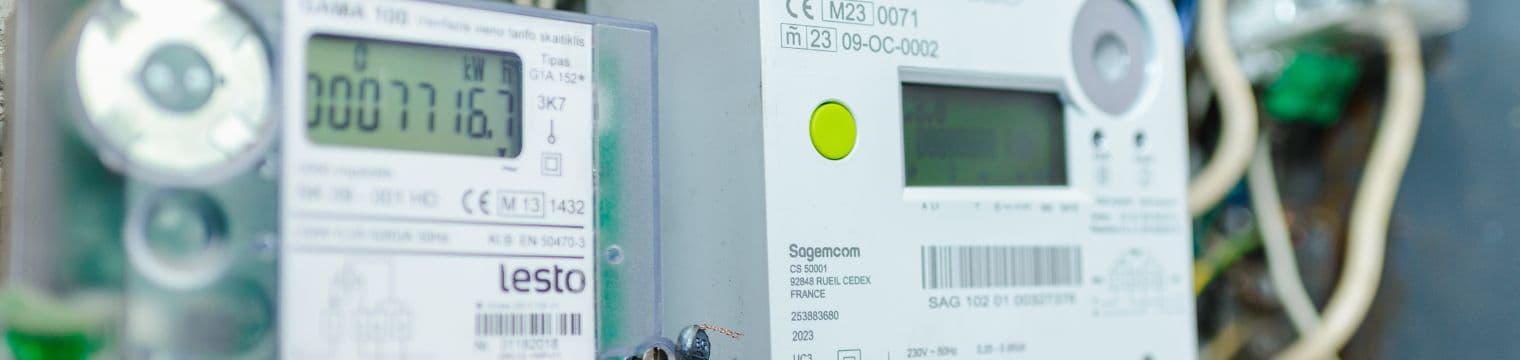
Check your meter model
- Some models indicate SMETS1 or SMETS2, though it may not always be obvious
- Some models indicate SMETS1 or SMETS2, though it may not always be obvious
Should You Upgrade From SMETS1 to SMETS2?
Well, there is no significant answer to it. It depends on numerous factors.
If your SMETS1 meter is enrolled in the national system and works fine when switching suppliers, there may be no urgent need to upgrade.
But upgrading could be worth considering if:
- Your meter lost smart functions after switching suppliers.
- You regularly have connection problems
- You want the latest technology
Energy suppliers are gradually replacing older meters when needed.
Is SMETS2 Better Than SMETS1?
In most cases, yes. SMETS2 is more advanced and reliable. The biggest improvement is supplier independence, you can switch energy companies without losing smart functionality. This gives more flexibility and encourages competition in the energy market.
Do Smart Meters Save Money?
Smart meters don’t automatically lower your bills, but they help you:
- Track usage in real time
- Identify high energy consumption
- Adjust habits to reduce waste
Over time, adequate awareness frequently leads to savings. The primary advantage, whether SMETS1 or SMETS2, comes from comprehending how and when you utilize power.
What do you think about smart meters? Are they generally safe?
Well, yes, they are safe. Smart meters utilize fast, encrypted communication and exclusively transmit meter readings. They do not keep private economic data. SMETS2 meters have revised safety measures, offering more robust protection than early SMETS1 models.
Conclusion
Understanding the contrast between SMETS1 and SMETS2 doesn’t have to be complicated. SMETS1 meters are the first generation and could lose their sleek traits if you switch suppliers, though numerous have now been elevated. SMETS2 meters, on the other hand, are unique, remain smart even when you switch electricity suppliers in the UK, connect to a national network, and come with more robust security. While SMETS2 meters can periodically have insignificant issues, these are usually easy to restore.
If you’re still uncertain which style you have, your electricity supplier can demonstrate it. And if you’re scheduled for an upgrade, moving to SMETS2 could make managing your power simpler and better.
Lastly, always keep in mind that smart meters were created to keep security in mind and provide you with good control of it. Understanding which version you have enables you to make knowledgeable selections about your power usage and electricity supplier prospects.