Energy bills are rising, and many households in the UK are looking for smart ways to save a few pounds each month. One option that’s getting much attention is the time-of-use tariff in the UK. Basically, it means you pay different rates depending on when you use electricity. Sounds good, right? But you might be asking yourself, do you really need a smart meter for time-of-use tariffs in the UK? Don’t worry, we’ve got you covered. In this blog, we’ll explain everything in simple terms, from how these tariffs work to their benefits, and what you should know before making the switch.
What is a Time-of-Use Tariff in the UK?
A time-of-use electricity tariff in the UK is a type of energy plan where the price you pay for electricity varies depending on the time of day.
Typically, electricity costs less during off-peak hours when demand is low and more during peak hours when everyone is using electricity. For example:
- Peak hours: Morning and evening, when households and businesses use more electricity.
- Off-peak hours: Late at night or early in the morning, when fewer people are using electricity.
- Weekend rates: Some tariffs offer cheaper electricity on weekends.
The goal of these tariffs is to encourage people to use electricity at times when the grid is less busy. This not only helps reduce your electricity bill but also eases pressure on the UK’s energy infrastructure.
Why Are Time-of-Use Tariffs Becoming Popular?
With more people working from home and the rising use of electric vehicles (EVs), electricity demand is becoming less predictable. Time-of-use tariffs in the UK allow households to be more flexible with their electricity use and potentially save money by shifting their energy-heavy activities, like laundry or charging an EV, to off-peak times.
Moreover, the UK government and energy suppliers are pushing for smart energy solutions. These tariffs often pair well with smart technologies, making it easier for households to monitor and control their electricity usage.
Do You Need a Smart Meter for Time-of-Use Tariffs?
Here’s the key question: do you need a smart meter for time-of-use tariffs in the UK?
The short answer: Yes, in most cases, you do.
Why is a Smart Meter Essential?
1. Accurate usage tracking
Time-of-use tariffs require accurate readings of when electricity is used. Traditional meters cannot record usage in hourly intervals, so suppliers wouldn’t know when to apply the lower or higher rates. A smart meter tracks electricity consumption in real time and automatically sends the data to your supplier.
2. Automated billing
With a smart meter, you don’t have to manually record your usage or worry about estimated bills. The meter automatically calculates your electricity usage according to the tariff, ensuring you are charged accurately.
3. Better insights into your electricity use
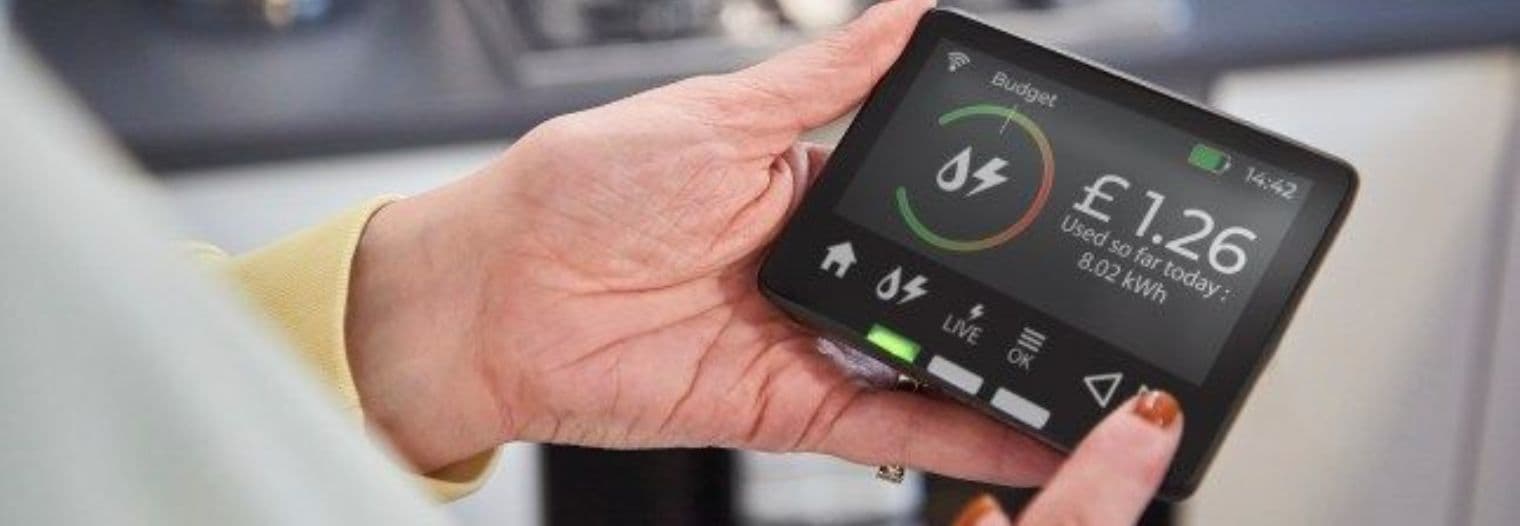
Smart meters often come with an in-home display or app. This allows you to see your electricity consumption in real time, helping you identify ways to save and take full advantage of off-peak rates.
4. Compatibility with new tariffs
Most best time-of-use tariffs in the UK are designed for households with smart meters. Suppliers rely on smart meters to provide the precise data needed for these dynamic pricing plans.
5. Are There Any Exceptions?
While smart meters are generally required, a few suppliers may offer time-of-use tariffs with manual readings. However, these are rare, and you may not get the full benefits of flexible pricing without a smart meter.
How to Make the Most of Your Time-of-Use Electricity Tariff
If you decide to switch to a time-of-use electricity tariff in the UK, here are some tips to maximize your savings:
1. Shift high-energy activities to off-peak hours
Run your washing machine, dishwasher, or charge your EV during off-peak times. Even small changes can add up to significant savings over a year.
2. Monitor usage with your smart meter
Use the in-home display or app to track your consumption and see which hours cost less. Over time, you’ll get a better idea of how to adjust your habits.
3. Combine with energy-efficient appliances
Using energy-efficient appliances alongside a time-of-use tariff can further reduce your bills. Modern appliances often have timers that let you start cycles during cheaper hours.
4. Stay updated on tariff changes
Energy suppliers sometimes adjust their peak and off-peak hours or prices. Make sure you’re aware of these changes so you can plan your electricity use accordingly.
Choosing the Best Time-of-Use Tariff in the UK
Not all time-of-use tariffs in the UK are the same. Some may offer cheaper off-peak rates but higher peak rates, while others provide more balanced pricing. To find the best time-of-use tariff in the UK, consider the following:
- Your household schedule: If you use most of your electricity in the evenings, a tariff with lower evening off-peak rates may be better.
- Availability: Some tariffs are only available to customers with smart meters.
- Flexibility: Check if the tariff allows you to change your usage patterns easily.
- Additional features: Some suppliers offer apps, alerts, or tools to help you save even more.
It’s worth comparing different suppliers and their time-of-use tariffs to find one that aligns with your lifestyle and energy usage. Websites like Uswitch or MoneySuperMarket can help you compare options quickly.
Benefits of Having a Smart Meter with a Time-of-Use Tariff
- Cost savings: By using electricity during off-peak times, you could reduce your energy bills.
- Convenience: Automatic readings mean no more estimated bills or manual meter checks.
- Environmental impact: Shifting electricity usage to off-peak hours helps reduce stress on the grid and supports cleaner energy usage.
- Future-proofing your home: Smart meters are becoming standard in the UK, so having one prepares your household for more advanced energy solutions in the future.
Final Thoughts
So, do you need a smart meter for time-of-use tariffs in the UK? The answer is yes. Smart meters are essential for accurately tracking electricity usage, ensuring correct billing, and taking full advantage of flexible pricing plans.
If you’re considering a switch, look for the best time-of-use tariff in the UK that suits your lifestyle and electricity consumption patterns. Pair it with energy-efficient habits and appliances, and you could see noticeable savings on your electricity bill.
Time-of-use tariffs offer a modern, flexible approach to managing your electricity costs. With the right smart meter, you can take control of your energy usage, save money, and even support a greener energy system in the UK.