Managing your electricity use is a crucial aspect of running a business or a home efficiently, saving cash, and more. One of the foremost measures to accomplish this is understanding how to read your electricity meter. Whether you’re with a white label electricity supplier or one of the giant energy firms, knowing your meter readings ensures you’re only spending for what you really use.
In this article, we’ll walk you through everything you need to know about electricity meters in the UK, from the various types to how to read them accurately, and trends in the UK energy market. Get ready to explore!
What Are Electricity Meters?
Electricity meters are appliances that calculate the quantity of electricity your home or business consumes. Every residence in the UK needs to have one. The reading from these meters constitutes the foundation of your electricity bill. Practically, it follows kilowatt-hours (kWh), the classic unit of electricity consumption.
For people changing to a white label electricity supplier, understanding how to read electricity meters becomes even more imperative. These suppliers frequently work without physical headquarters, so real self-reporting of readings confirms your electricity bills are accurate.
Classes of Electricity Meters in the UK
Electricity meters have evolved, and in the UK, there are several standard classes:
1. Standard Analogue Meters (Dial Meters)
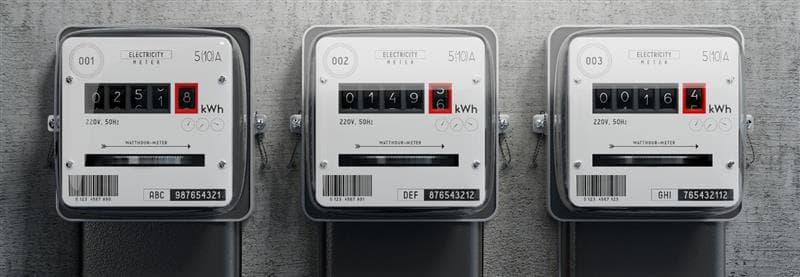
These are standard meters with a sequence of dials showing your electricity use. Each dial describes a separate digit of your consumption in kilowatt-hours (kWh). While not as standard as they once were, numerous older properties still have these meters installed.
2. Digital Meters
Digital meters display readings in numerals on a screen, making them more straightforward to read compared to analogue meters. They frequently come with extra components, such as showing your existing usage rate and recorded info.
3. Smart Meters
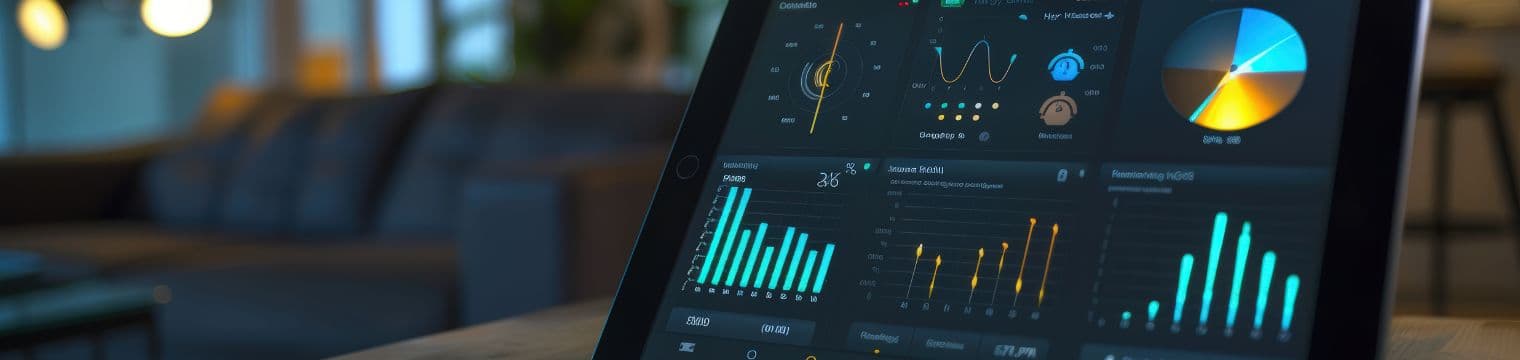
Smart meters in UK are the most recent addition to the energy infrastructure.. They automatically dispatch your electricity meter readings to your supplier, decreasing the requirement for manual reporting. They likewise offer in-home displays that provide real-time data about your electricity use, helping you save bucks and energy.
4. Prepayment Meters
These electricity meters in the UK require you to settle your electricity bill in advance, using a key, card, or mobile application. Prepayment meters are frequently utilized in rental properties or by those handling their energy budgets closely.
Understanding the sort of electricity meter you have is the foremost measure towards authentic readings and better management of your electricity bills.
Significance of Reading Electricity Meters
Regularly reading your electricity meter in the UK is essential for several reasons:
Accurate Billing
Submitting meter readings ensures your bills reflect the actual electricity you’ve utilized, instead of calculated use. This is particularly necessary when switching to a white label electricity supplier, as calculated readings may lead to overpayment or unforeseen invoices.
Energy Efficiency
Maintaining track of your electricity consumption allows you to determine high-usage terms and devices. By comprehending these practices, you can make little transformations to save energy and decrease expenditures.
Avoiding Estimated Bills
Suppliers frequently evaluate your electricity usage if no reading is raised. Over time, calculated bills can evolve to be faulty, resulting in large adjustments when your genuine usage is ultimately estimated.
Supporting the Grid
Proper electricity meter readings contribute to the general efficiency of the UK energy grid. Utilities can offset supply and demand more effectively when actual use data is obtainable.
How to Read Electricity Meters in the UK
Reading electricity meters may appear challenging at first, but it’s specific once you understand your electricity meter type.
1. Reading Standard Dial Meters
- Take a clear look at each dial from left to right.
- If a pointer is between two numbers, always record the lower number.
- Ignore any red dials, as they usually represent fractions of a kilowatt-hour and are not needed for billing purposes.
2. Reading Digital Meters
- Simply read the numbers displayed on the screen.
- If your meter alternates screens, wait until it displays the total kWh consumed.
- Note this number and submit it to your electricity supplier.
3. Reading Smart Meters
- Check your in-home display for the total kWh reading.
- Some smart meters allow you to view your usage over time, giving additional insights into your energy consumption.
- These readings are usually sent automatically, but it’s good practice to double-check occasionally.
4. Reading Prepayment Meters
- Your display will reveal the remaining credit and the entire kWh utilized.
- When topping up, note the new balance and any use documented to maintain a trace of electricity consumption.
- Regularly submitting readings, even with a smart meter, ensures your electricity bills are authentic and helps you watch your energy usage.
UK Market Trend Concerning Electricity Meters
The UK electricity market has been growing rapidly, with a firm push toward updating the energy grid and promoting efficient consumption. Several trends are shaping how electricity meters are used:
Smart Meter Rollout
The UK administration has been actively encouraging smart meters for all homes and businesses. Smart meters provide more precise readings, lower estimated invoices, and allow clients to monitor energy use more effectively.
Advancement of White Label Electricity Suppliers
White label electricity suppliers are growing in popularity. These businesses offer competitive tariffs without holding physical headquarters. Accurate electricity meter readings are crucial for clients of these suppliers to ensure appropriate billing.
Digital Tools and Apps
Digital platforms currently enable clients to track electricity meter readings, compare use, and even switch electricity suppliers easily. This trend has made energy management more attainable to regular clients.
Conclusion
Discovering how to read your electricity meter in the UK is no longer a task. With the advancement of digital and smart meters, industries and homes can take control of their energy use, save money, and lower their carbon footprint. Whether you’re with an authoritative electricity supplier or a white label electricity supplier, exact meter readings are required for fair bill invoices and satisfactory energy surveillance.
By understanding your electricity meter type for business or households, periodically reviewing readings, and usage patterns, you can make expert decisions about your energy consumption and expenses.