Are you sure about when you last checked your electricity meter? For numerous people in the UK, this thing would not have crossed their minds unless they had faced high electricity bills. But this negligence can cost you more. Understanding all about your electricity meter can help you save some money, control energy use, and limit your carbon footprint.
This complete guide will take you through all types of electricity meters in UK, their functioning, and why they should matter to you. Whether you are a homeowner, a tenant, or maybe someone running a smaller business, an understanding of electric meters can work wonders for you.
What Is an Electricity Meter?
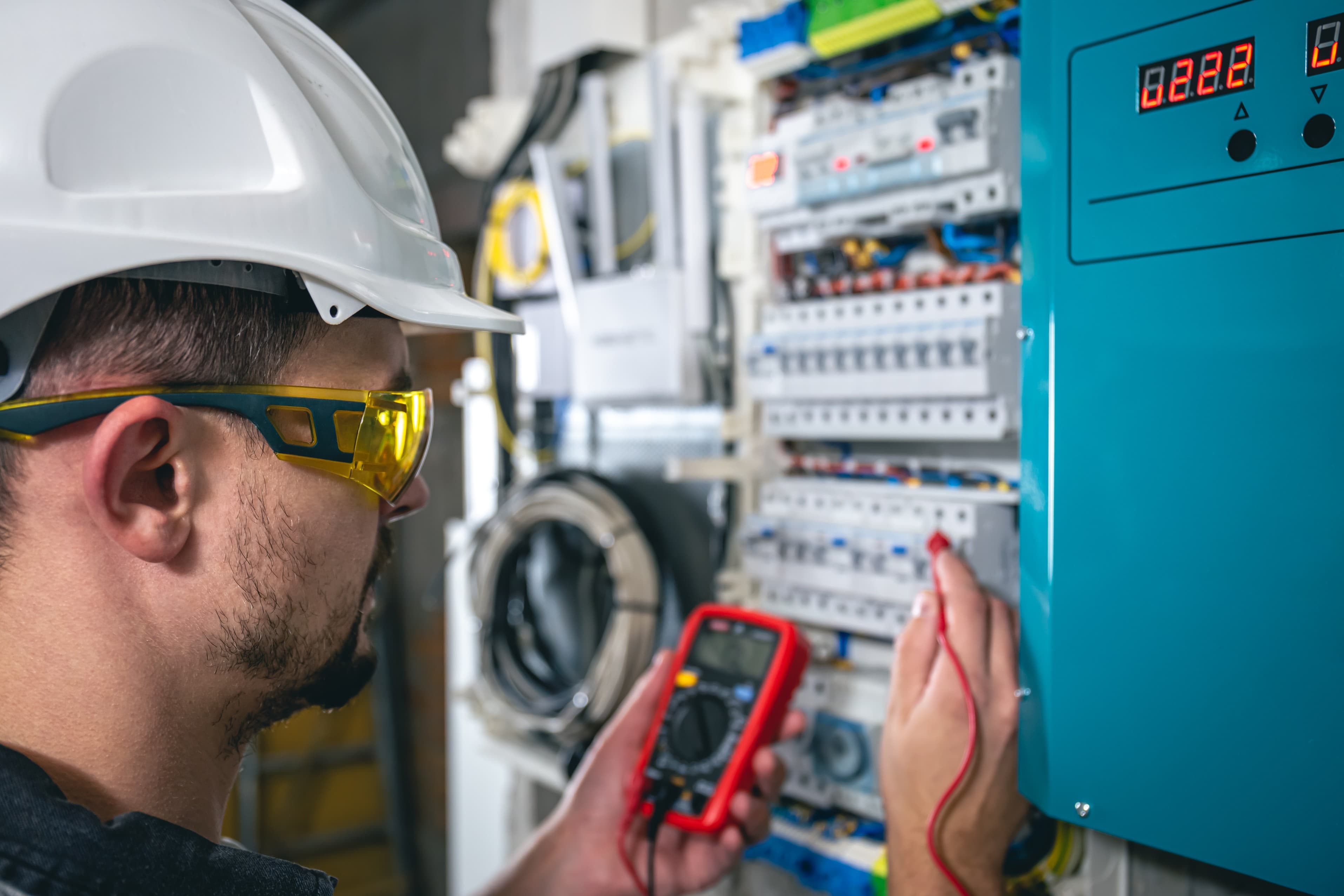
An electricity meter is an apparatus used to record the quantity of electrical energy that you consume, calculated in kilowatt-hours (kWh). A UK business energy supplier will use these meters to estimate your bill. Electricity meters are installed in homes and business premises by energy providers in the UK, and there are several types of electricity meters in the UK that are available.
Some are standard meters that need customers to send in readings on their own, whereas others, such as the smart meter rollout in the UK, enable automatic readings and sound energy management.
Why Do Electricity Meters Matter?
Electric meters are more than just devices for billing; they’re tools to help you:
- Understand your energy consumption
- Spot unusual usage patterns
- Find ways to cut down costs
- Reduce your environmental impact
With rising energy prices and growing focus on sustainability, keeping track of electricity usage is more important than ever.
Types of Electricity Meters in UK
The types of electricity meters in UK. Here’s a breakdown of the most common ones you’ll come across.
1. Standard (Single Rate) Meter
This is the most basic type of meter. It records electricity usage at a single rate, regardless of when you use it. These are often found in older homes and are straightforward to read.
2. Two-Rate (Economy 7 or Economy 10) Meters
These meters document electricity at two distinct rates: one for day and one for night (usually a more affordable rate at night). The “Economy 7 meter” gives cheaper electricity for 7 off-peak hours, and “Economy 10” for 10.
3. Prepayment Meters
You pay for electricity before you use it, similar to pay-as-you-go mobile phones. These are often used by landlords or for budgeting purposes.
Pros:
- No unexpected bills
- Easier to manage usage
Cons:
- Higher tariffs in some cases
- Running out of credit means no power
4. Smart Meters (Smart Meter UK)
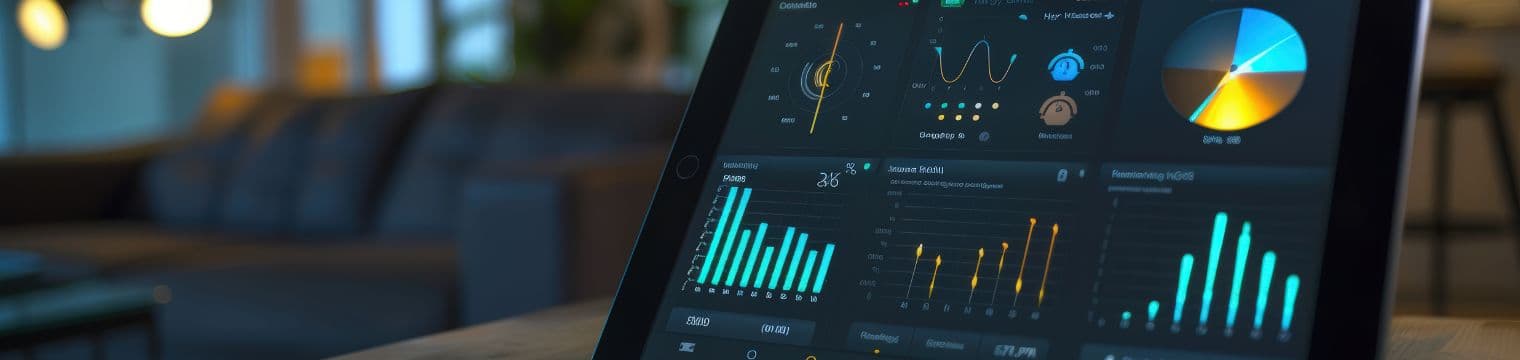
This is the future of energy monitoring in the UK. Smart meters automatically send readings to your supplier and come with an in-home display, so you can see exactly how much energy you’re using in real-time.
The government’s goal is to offer a smart meter to every UK household. These meters can be single-rate or multi-rate, depending on your tariff.
Benefits include:
- No manual readings
- More accurate bills
- Easier to switch suppliers
- Better energy awareness
UK smart meter tip: Always ensure that your UK electricity supplier supports the smart meters that are of the second generation. These meters are generally known as SMETS2, which continue working even when suppliers are switched.
5. Clamp Electric Meter
This is more of an energy monitoring tool than a billing meter. A clamp electric meter attaches to a cable and measures the electric current flowing through. It’s commonly used by businesses or eco-conscious households to get real-time usage data without changing their main electricity meter.
Types of Electricity Meters in UK for Homes vs Businesses
Electricity Meters in UK for Homes:
For residential properties, the most common meters are:
- Single-rate meters
- Economy 7 meters
- Prepayment meters
- Smart meters
The right choice depends on your lifestyle. If you’re home during the day, a single-rate meter might suit you. If you work nights and run appliances overnight, Economy 7 can offer savings. And if you want to stay on top of your energy usage, a smart meter is a great upgrade.
Electricity Meters in UK for Businesses:
Commercial properties tend to have different energy needs. Meters for businesses might include
- Half-hourly meters (HH meters): For large-scale energy users
- Multi-rate meters: Useful for businesses with varying energy patterns
- Smart meters or advanced meters: Great for real-time monitoring
- Clamp electric meters are especially useful for small and medium businesses trying to track where energy is being used the most.
How to Read Different Types of Electricity Meters in UK
Learning how to read your electricity meter can help you review your bills and avoid overpaying. Here are simple steps you can follow:
- Digital meter: For a digital meter, read from left to right, skipping any numerals after the decimal.
- Dial meter: In case of dial meters, read the dials from left to right, and note the lower number if the dial is between two numbers.
- Smart meter: When it comes to smart meters, inspect your in-home display or online account; the reading is usually easy to discover.
Choosing the Right Electricity Meter
Choosing the best electric meter comes down to understanding your usage patterns:
- Are you home more at night? Consider an Economy 7 meter.
- Want to take control of your usage? A smart meter is ideal.
- Prefer pay? A prepayment meter will work.
- Running a business? Look into advanced metering options or clamp electric meters.
Your UK energy supplier will assist you in navigating the process, or you can use an online interface to compare offers and explore your options.
Summary
Knowing the types of electricity meters in the UK is not only for electricians or energy enthusiasts; it is for everyone who genuinely cares about taking control of their energy consumption and bills.
From serving traditional electric meters to the most advanced smart meters throughout the UK, a solution for every kind of dwelling or business is available. Moreover, for a business, clamp electric meters can provide insights that ultimately lead to heavy savings.
Such a meter is useful to observe, gather data, and enable the consumer to make wise energy decisions. So next time someone says something about electricity meters, you'll be able to speak in something for a change besides the usual nod.