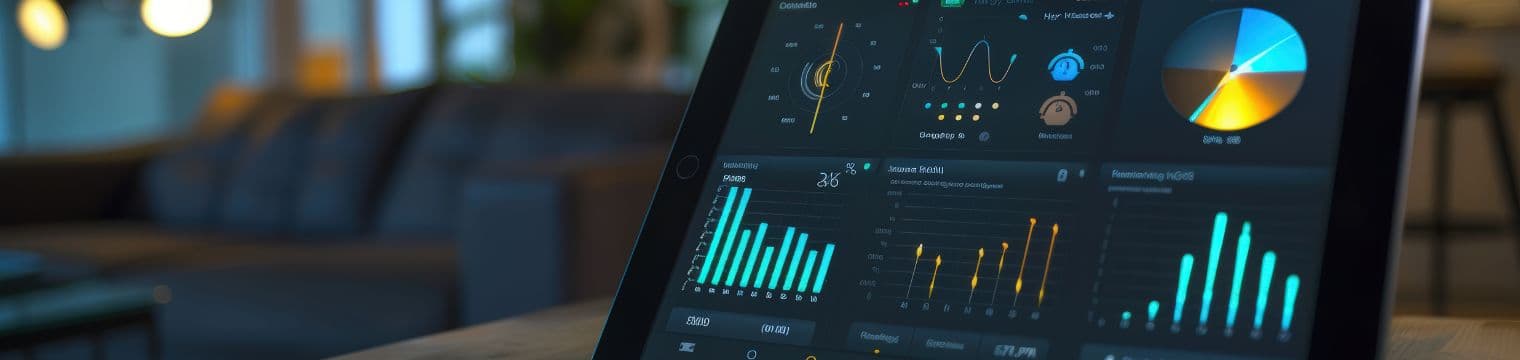
Smart meters are becoming common in homes around the world. Utility companies promote them as a smarter way to track electricity and gas usage. They promise accurate billing, better energy management, and fewer manual meter readings.
Yet despite their growing use, many people still ask: Are smart meters safe? Others go further and wonder, are smart meters safe for your health? These concerns often come from online discussions, social media posts, or word-of-mouth stories that raise doubts about radiation, privacy, and long-term effects.
In this article, we’ll separate myths from reality and look at what the evidence actually says.
What is a Smart Meter?
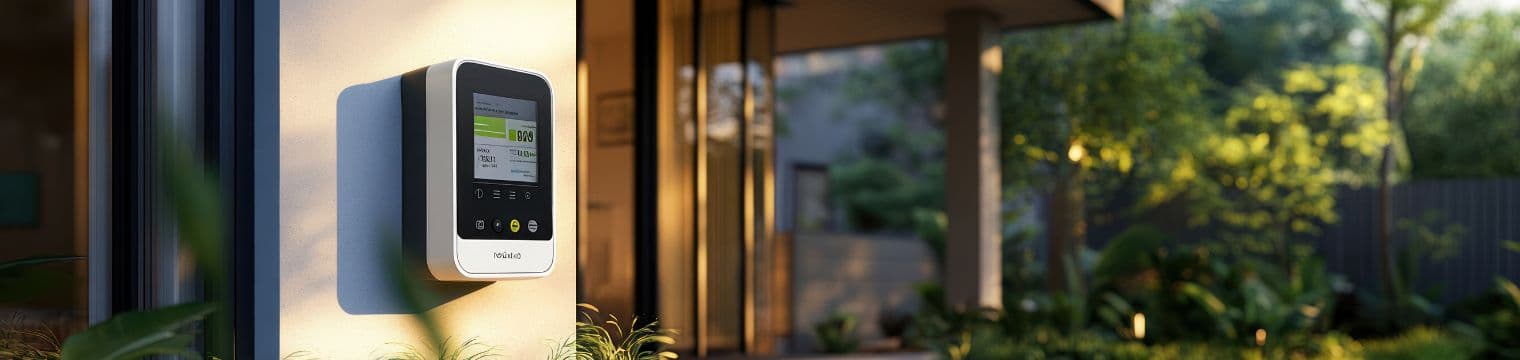
A smart meter is a digital device that records energy usage and sends that information directly to your utility provider. Unlike traditional meters that require manual readings, smart meters automatically transmit data at regular intervals.
They utilize wireless communication, often similar to that of mobile phones, Wi-Fi routers, or other household devices. This is where most safety concerns typically begin, particularly regarding radiation and data privacy.
To answer the question of how safe smart meters are, we need to examine both health and security concerns in a practical, evidence-based way.
Myth 1: Smart Meters Emit Dangerous Radiation
One of the most common fears is that smart meters expose households to harmful radiation.
Smart meters use radiofrequency (RF) signals to communicate. RF radiation is a type of non-ionizing radiation. It’s the same category used by:
- Mobile phones
- Wi-Fi routers
- Baby monitors
- Bluetooth devices
Non-ionizing radiation does not have sufficient energy to directly damage DNA or cells. This is very different from ionizing radiation, such as X-rays or nuclear radiation, which can cause cellular damage.
Health organizations worldwide, including the World Health Organization (WHO) and public health agencies in many countries, state that the RF exposure from smart meters is well below safety limits.
In fact, the exposure from a smart meter is typically much lower than from a mobile phone held against your ear.
So, when people ask whether smart meters are safe for your health, the scientific consensus suggests that the radiation levels are minimal and within established safety standards.
Myth 2: Smart Meters Constantly Transmit Signals
Another misunderstanding is that smart meters are transmitting signals all day, nonstop.
In reality, most smart meters send short bursts of data. These transmissions usually last only a few seconds and occur at intervals throughout the day. The total transmission time is often just a few minutes per day, sometimes even less.
Compared to a Wi-Fi router that operates continuously or a smartphone used for hours daily, smart meters contribute a very small portion of overall household RF exposure.
When evaluating how safe smart meters are, it’s important to compare them realistically to other devices already present in most homes.
Myth 3: Smart Meters Cause Health Symptoms
Some individuals report symptoms such as headaches, fatigue, dizziness, or sleep disturbances, which they attribute to smart meters.
While these experiences are real to those who feel them, large-scale scientific studies have not found consistent evidence linking smart meter exposure to these symptoms.
Research on electromagnetic hypersensitivity (EHS) has shown that symptoms often occur whether or not RF exposure is actually present. In controlled studies, participants frequently report symptoms even when no signals are being emitted.
This does not dismiss personal experiences. However, from a medical standpoint, there is no reliable evidence showing that smart meters directly cause illness.
So, when asking if smart meters are safe for your health, current scientific research supports the view that they do not pose a measurable health risk when installed and operated within regulatory standards.
Privacy and Data Concerns
Health is only one part of the discussion. Many people worry about privacy.
Smart meters collect detailed data about energy usage. This can show when electricity use rises or falls throughout the day. Some fear that this data could reveal personal habits, such as when someone is home or asleep.
Utility companies are typically required to follow strict data protection laws. The data is encrypted and used mainly for billing and grid management. In most regions, it cannot legally be sold or shared without consent.
No system is completely immune to cyber risks, but smart meter systems are designed with security protocols similar to those used in banking and telecommunications.
When asking if smart meters are safe, privacy and cybersecurity should be part of the evaluation, and in most regulated markets, safeguards are built in.
Fire Risks and Electrical Safety
Another concern involves the possibility of electrical fires caused by smart meter installation.
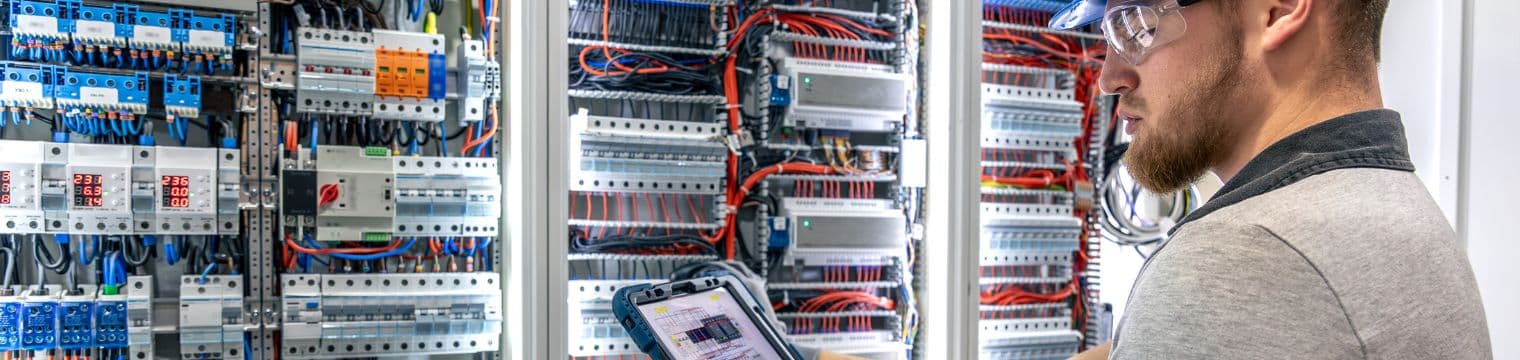
In rare cases, there have been reports of overheating or fire following installation. However, investigations often reveal that the issue was related to faulty wiring, outdated electrical panels, or improper installation, not the smart meter itself.
When installed by certified professionals and used with compatible electrical systems, smart meters are considered as safe as traditional meters.
Like any electrical equipment, proper installation and maintenance matter.
Benefits That Often Get Overlooked
While discussions focus on risks, many people overlook the practical benefits.
Smart meters can:
- Provide accurate, real-time usage data
- Reduce estimated billing errors
- Help households track and reduce energy consumption
- Support faster outage detection
- Enable time-of-use pricing for cost savings
From an environmental perspective, smart meters also help utility companies manage energy grids more efficiently, reducing waste and supporting renewable energy integration.
Understanding both the benefits and concerns gives a more balanced answer to the question: How safe are smart meters?
The Bottom Line
So, are smart meters safe?
Based on current scientific research and international safety standards, smart meters are considered safe for household use. The radiofrequency exposure is low, often lower than many everyday devices already in use.
When asking how safe smart meters are, the answer depends on comparing them realistically to other common technologies. In that context, they fall well within established safety guidelines.
And for those concerned about health, evidence to date suggests that smart meters do not pose a proven health risk when installed and regulated properly.
Technology always brings questions. That’s normal. But separating myths from verified information helps us make informed decisions rather than fear-based ones.